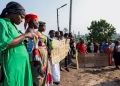
As Rwanda marks 32 years since the 1994 genocide against the Tutsi, many young people say the country has made significant progress but continues to live with the legacy of one of Africa’s darkest tragedies.
On Liberation Day, commemorating the victory of the Rwanda Patriotic Front (RPF) that ended the genocide, survivors and the younger generation reflected on how the past continues to shape their lives.
Among them is 29-year-old Claudette Kamikazi, whose father was convicted for his role in the genocide while her mother survived the violence. She said the events of 1994 have remained a constant presence throughout her life despite being born after the genocide.
Kamikazi, who runs a souvenir shop in Kigali, said Rwanda’s growing tourism industry reflects the country’s recovery, but many families still carry deep emotional scars. She described Liberation Day as both a symbol of survival and a reminder of her family’s painful history.
The 1994 genocide claimed the lives of about 800,000 people in just 100 days. While Rwanda has since focused on reconciliation, economic growth and national unity, many young Rwandans say remembering the past remains essential as they look toward the future with hope.