The United States and Iran are set to sign an initial agreement in Geneva on Friday aimed at ending the US-Israel war on Iran, launching a 60-day negotiation process and reopening traffic through the Strait of Hormuz.
Pakistan, which has played a leading role in mediating the peace talks, will host the signing ceremony in Switzerland. However, neither Washington nor Tehran has released details of the agreement, leaving uncertainty over whether the two sides have reached consensus on key issues or even agreed on the agenda for future negotiations.
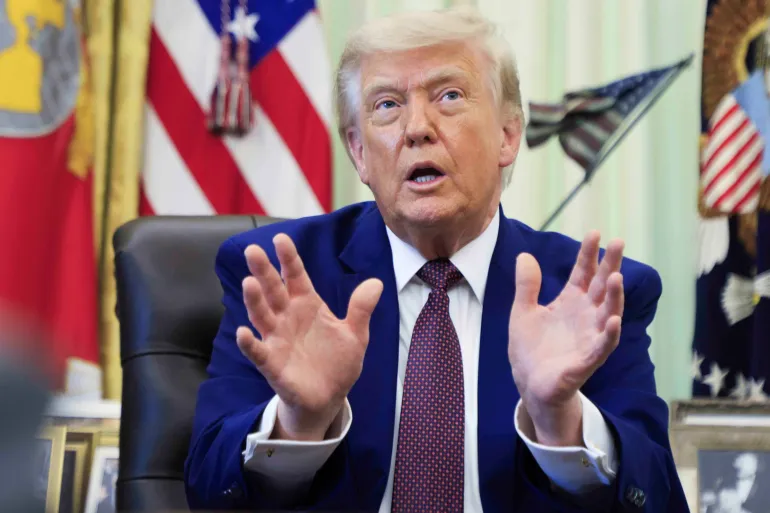
US President Donald Trump has indicated that Iran’s nuclear programme will be central to any final agreement but has remained silent on previous American demands, including dismantling Iran’s ballistic missile programme and ending support for regional proxy groups.
“The only thing that really matters to me is Iran will never have a nuclear weapon, and it says it loud and clear,” Trump told reporters at the Group of Seven (G7) summit in France on Tuesday.
He also warned that “all hell will rain down” on Iran if it seeks to acquire nuclear weapons.
Relations between Washington and Tehran have remained deeply strained since Trump’s first term in office, when he withdrew the United States from the 2015 Joint Comprehensive Plan of Action (JCPOA), commonly known as the Iran nuclear deal.
The US withdrawal led to the reimposition of sweeping sanctions on Iran, prompting Tehran to gradually reduce its commitments under the agreement and expand its nuclear activities. The move triggered years of escalating tensions, including military confrontations, attacks on shipping in the Gulf and repeated diplomatic breakdowns.
The latest agreement marks the first significant attempt to reset relations after more than 100 days of conflict that disrupted global energy markets and heightened fears of a wider regional war.
Trump’s public approval rating has also declined during this period. His approval stood at about 45 percent when he withdrew from the JCPOA in June 2018, according to Gallup polling. A Reuters/Ipsos survey conducted this month placed his approval rating at 35 percent, close to a record low for the poll.
The upcoming negotiations are expected to determine whether the tentative agreement can pave the way for a broader and lasting settlement between the two long-time adversaries.