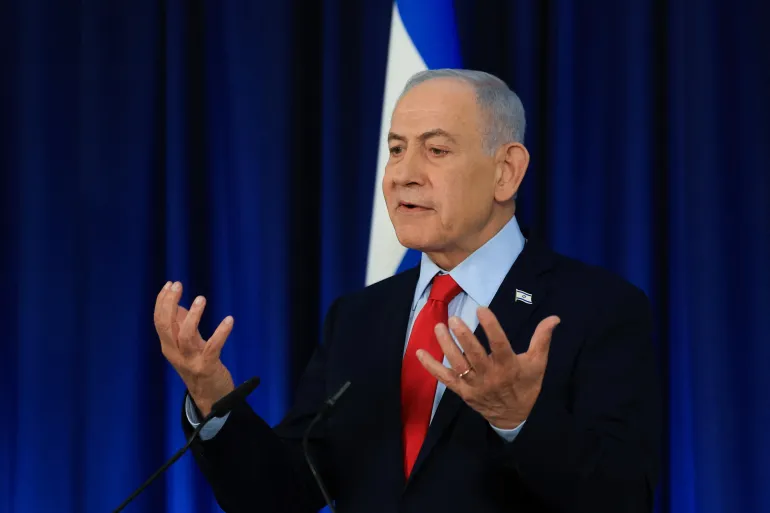
Israeli Prime Minister Benjamin Netanyahu is facing growing criticism at home as many analysts and media outlets question whether Israel’s war with Iran has achieved its objectives.
Israeli newspaper Haaretz described the conflict as “Netanyahu’s biggest failure since October 7”, reflecting concerns over the outcome of the three-and-a-half-month-long war.
Despite the extensive military campaign, Iran remains intact and continues to hold significant leverage through its control of the strategically important Strait of Hormuz, a key route for global energy supplies.
Adding to the criticism, the United States has brokered an interim agreement with Iran aimed at reducing tensions and beginning further negotiations. Reports suggest Israel had little or no role in shaping the deal, raising questions about its influence over the diplomatic process.
The agreement could also affect Israel’s military operations in Lebanon. Israeli officials have argued that operations against the Iran-backed Lebanese group Hezbollah were necessary for national security, but continued military action may now risk complicating efforts to maintain the fragile understanding between Washington and Tehran.
Political observers say the developments have intensified scrutiny of Netanyahu’s leadership, with critics arguing that the war has failed to eliminate Iran as a regional power and may have weakened Israel’s strategic position.