US strikes reportedly damaged water infrastructure in Iran, raising humanitarian concerns as the country faces a severe water shortage amid ongoing regional tensions.
The United States and Iran exchanged heavy military strikes overnight in one of the most serious escalations since a temporary ceasefire paused the wider US-Israel conflict with Iran earlier this year.
The latest confrontation followed reports that a US Apache helicopter was brought down near the Strait of Hormuz, prompting American strikes on targets inside Iran. Iran later responded by launching attacks on US military bases in the Gulf region.
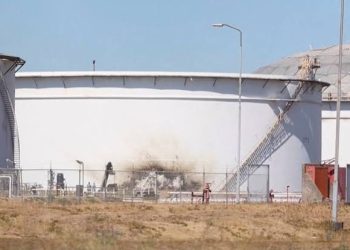
While the US military stated that it targeted communication and radar installations, Iranian officials claimed that civilian infrastructure was also damaged during the attacks, including two important water reservoirs.
If confirmed, the strikes would represent one of the first reported attacks on civilian infrastructure in Iran in recent weeks and could carry significant humanitarian and political consequences.
Iran is already facing a severe water crisis caused by years of drought, climate pressures, overuse of water resources, and infrastructure problems. Many parts of the country have experienced shortages, reduced reservoir levels, and increasing public frustration over access to clean water.
Experts warn that any damage to water facilities could worsen conditions for civilians and place additional strain on already vulnerable regions.
Water infrastructure is considered highly sensitive during conflicts because it directly affects daily life, public health, agriculture, and economic stability. Disruptions to reservoirs or supply systems can quickly create humanitarian challenges, especially during periods of high temperatures and limited rainfall.
The strikes also risk increasing tensions in a region already under pressure from ongoing military and political confrontations involving Iran, the United States, and Israel.
Although a Pakistan-mediated ceasefire temporarily reduced hostilities in April, negotiations for a broader peace agreement have made little progress. Both Washington and Tehran have exchanged proposals in recent weeks, but repeated military incidents have continued to threaten diplomatic efforts.
The Strait of Hormuz remains one of the world’s most strategically important waterways because a large portion of global oil and gas shipments pass through the area. Any escalation near the strait raises concerns about energy security and global markets.
Analysts say attacks involving civilian infrastructure could further complicate negotiations and increase international pressure for restraint from all sides involved in the conflict.