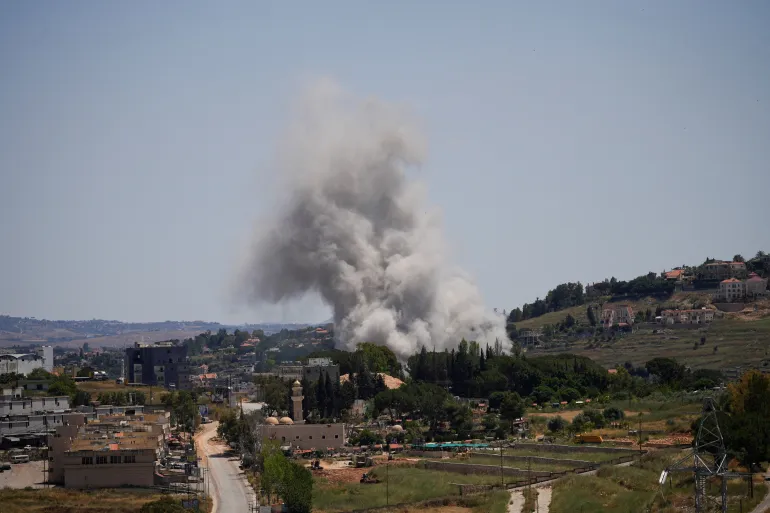
Despite ceasefire efforts between Israel and Iran, Lebanon continues to face Israeli strikes, displacement, and instability linked to Hezbollah and regional tensions.
Although direct confrontation between Israel and Iran has eased temporarily in recent weeks, Lebanon continues to suffer from ongoing violence, displacement, and instability linked to the wider regional conflict.
Israeli air strikes across southern Lebanon and parts of Beirut have continued despite diplomatic efforts aimed at reducing tensions between Tehran, Washington, and Tel Aviv. Lebanese civilians remain trapped between military escalation, political paralysis, and humanitarian hardship.
The crisis is closely tied to Hezbollah, the powerful Lebanese armed group backed by Iran. Hezbollah has long been considered part of Iran’s regional alliance network and has repeatedly exchanged fire with Israel during periods of heightened regional tension.
After fighting escalated earlier this year following attacks linked to the broader US-Israel confrontation with Iran, Israel intensified military operations inside Lebanon, targeting areas it says are connected to Hezbollah operations.
Despite temporary ceasefire arrangements and ongoing negotiations, hostilities have continued almost daily. Lebanese officials say thousands of Israeli strikes have occurred even after ceasefire announcements.
Civilians have borne the heaviest cost of the conflict. More than one million people have reportedly been displaced from their homes during the latest escalation, creating one of Lebanon’s worst humanitarian crises in years.
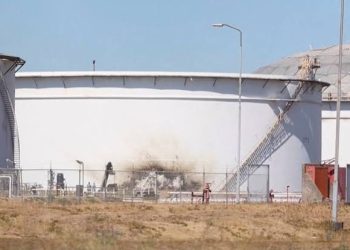
Entire neighborhoods in southern Lebanon and Beirut’s southern suburbs have been damaged or evacuated following repeated Israeli warnings and air raids. In recent days, strikes in the southern city of Tyre killed civilians and triggered new evacuation orders, including in historically safer areas.
Analysts say Lebanon remains vulnerable because the conflict involving Hezbollah cannot easily be separated from the wider confrontation between Israel and Iran. Military actions inside Lebanon often trigger broader regional reactions and complicate diplomatic negotiations.
At the same time, Lebanon faces major internal challenges. The country is dealing with economic collapse, weak state institutions, political divisions, and limited ability to control armed groups operating within its territory.
Humanitarian organizations have warned that repeated displacement, damaged infrastructure, and ongoing strikes are worsening conditions for civilians, particularly women and children.
International agencies are also raising concerns about possible violations of international law during the fighting. The United Nations announced plans to send investigators to Lebanon to examine alleged abuses committed during the conflict.
While diplomatic efforts continue behind the scenes, many Lebanese families fear the violence could escalate further if negotiations between Iran, Israel, and the United States fail.
For now, despite talk of ceasefires and peace proposals, Lebanon remains deeply entangled in one of the Middle East’s most dangerous and unpredictable conflicts.