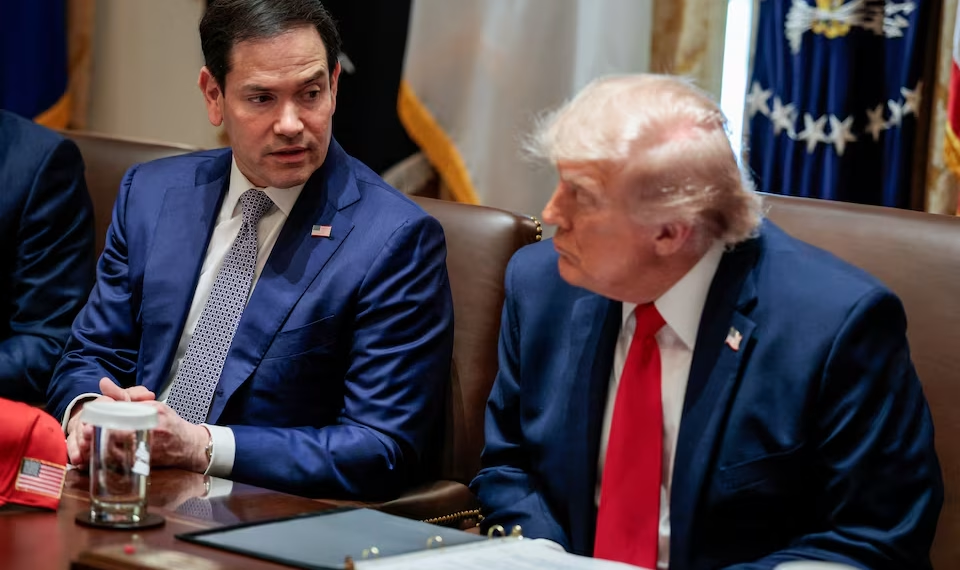
US Secretary of State Marco Rubio is set to face lawmakers as concerns grow in Washington over the ongoing Iran conflict and rising energy prices.
U.S. Secretary of State Marco Rubio is expected to face questions from lawmakers this week as concerns increase in Washington over the ongoing conflict involving Iran and the broader impact on the American economy.
Rubio, who is also serving as President Donald Trump’s national security adviser, will appear before several congressional committees to discuss the administration’s foreign policy plans and proposed budget for the State Department.
The hearings will give senators and representatives an opportunity to publicly question the administration’s strategy regarding the Iran conflict, which began following military strikes involving the United States and Israel earlier this year.
The Trump administration is seeking approval for a major reduction in foreign affairs spending while proposing a significant increase in military funding. Lawmakers from both parties are expected to ask how the administration plans to manage the conflict and reduce tensions in the region.
Several members of Congress have expressed concerns about the economic impact of the war, especially rising fuel and energy prices affecting American consumers and businesses.
Democratic Senator Chris Murphy stated that many lawmakers want to see an end to the conflict as soon as possible due to the growing pressure on the economy and energy markets.
The continued instability around the Strait of Hormuz has remained a major concern for global oil supplies. Rising gasoline prices in the United States have also become a political issue ahead of upcoming congressional elections.
At the same time, President Trump faces pressure from members within his own Republican Party who support a tougher approach toward Iran and oppose major concessions in negotiations.
Rubio has previously discussed the conflict with lawmakers during private meetings, but this week’s hearings will mark one of the first major public discussions on the administration’s handling of the crisis.